Ocean Shipping

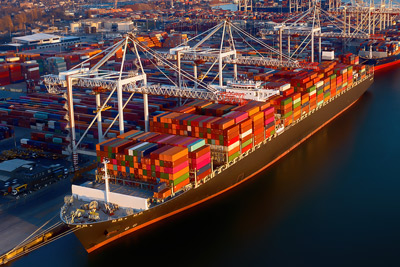
Container shipping operations at the UK's three busiest gateways have come under increasing pressure over the past two to three weeks, with vessel delays, terminal congestion and difficulties arranging container collections affecting Felixstowe, London Gateway and Southampton.
The most significant vessel delays are currently being reported at Felixstowe, where operational difficulties have escalated since late October. Equipment breakdowns, adverse weather and reduced vehicle booking availability have disrupted container handling and collections, creating additional challenges for hauliers and importers.
Vessel waiting times have increased sharply since the beginning of November and are now estimated at 4–5 days, with broader port congestion delays reaching up to 7 days.
High container yard occupancy, reaching 90% at peak periods, has placed considerable pressure on terminal operations. Late vessel arrivals, berth restrictions and crane maintenance have complicated scheduling, while a freight train derailment near Barking in late October has disrupted rail connections serving the port.
Restrictions on export deliveries and empty-container returns have been introduced to prioritise import movements, including a suspension of empty-container acceptance from 11 November.
Vessel waiting times are estimated at 2–3 days, with wider port congestion delays of up to 5 days.
Container yard congestion has also affected Southampton, with occupancy exceeding normal capacity during late October. Extended container dwell times and an imbalance between empty and export containers have contributed to operational difficulties, alongside shortages of available tugs and pilots affecting vessel berthing arrangements.
Vessel waiting times are estimated at 2–3 days, with overall port congestion delays of up to 3 days.
The growing return of Asia–Europe container services through the Suez Canal presents an additional concern. Approximately two-thirds of capacity is reportedly scheduled to use the shorter route, potentially bringing these vessels into port alongside ships still travelling via the Cape of Good Hope.
Although the extent of any current impact remains unclear, overlapping arrivals could intensify congestion at UK terminals in the coming weeks.
Croft continues to monitor conditions at the UK's major container ports and the implications for shipping schedules and inland deliveries. Customers concerned about potential disruption to upcoming shipments are encouraged to contact the Croft team for further guidance.
Talk to us about what you need from your logistics specialist to delight your customers.
Contact Us





